- 835 S 3 Notch St, Andalusia, AL 36420
- 334-222-8421

Varicose veins are more than just a cosmetic concern—they can cause aching, swelling, heaviness, and discomfort that affects your daily life. If you’re dealing with visible, bulging veins or ongoing leg pain, it may be a sign of an underlying vein condition known as venous insufficiency. At Southern Vein Clinic, we specialize in diagnosing and treating varicose veins using advanced, minimally invasive techniques designed to deliver real relief and lasting results.
Our experienced vein specialists use state-of-the-art ultrasound technology to evaluate your circulation and identify the root cause of your symptoms. From there, we create a personalized treatment plan tailored to your specific needs. Treatments such as endovenous laser therapy (EVLT), radiofrequency ablation, and sclerotherapy are performed right in our office—often in 30 minutes or less—with little to no downtime.
Patients throughout the area trust Southern Vein Clinic for safe, effective varicose vein treatment that not only improves the appearance of their legs but also restores comfort and mobility. Whether you’re experiencing leg fatigue, cramping, swelling, or visible veins, early treatment can prevent symptoms from worsening and help you get back to living pain-free.
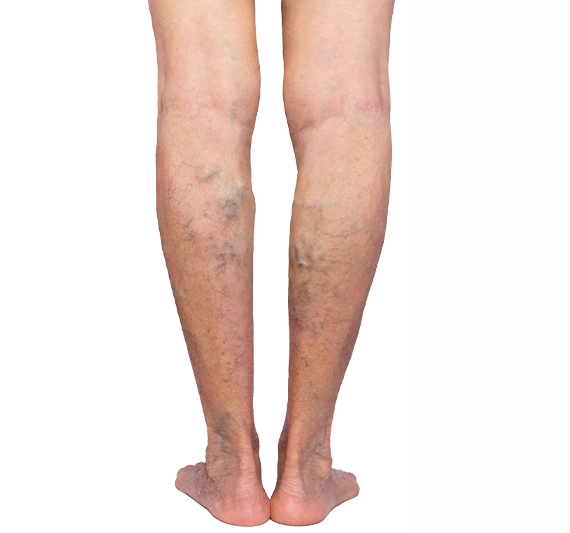
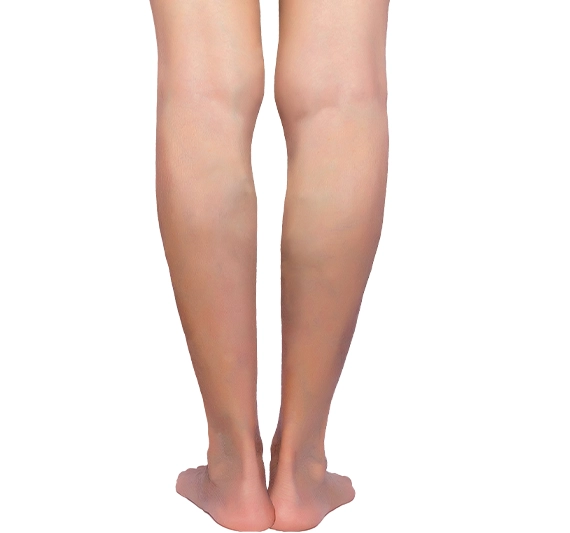
Varicose veins are enlarged, twisted veins that typically appear on the legs and feet when blood begins to pool instead of flowing properly back to the heart. They often appear dark blue or purple and may bulge beneath the surface of the skin.
While many people think varicose veins are only a cosmetic issue, they are often a sign of underlying venous insufficiency, a condition that can worsen over time if left untreated.
Common symptoms include:
These symptoms can significantly impact your quality of life. At Southern Vein Clinic, we focus on treating both the appearance and the underlying cause of varicose veins.
If left untreated, varicose veins can lead to more serious complications such as skin damage, ulcers, and blood clots.
Healthy veins carry blood back to the heart using one-way valves that keep blood moving in the right direction. When these valves weaken or stop working properly, blood begins to flow backward and pool in the veins—a condition known as venous insufficiency.
This added pressure causes veins to stretch, twist, and become visible beneath the skin, leading to the symptoms commonly associated with varicose veins.
As blood continues to pool, patients may experience:
Yes—varicose veins are extremely common and can affect both men and women. In fact, millions of Americans experience some form of vein disease.
Several factors can increase your risk, including:
The more risk factors you have, the more likely you are to develop varicose veins or worsening symptoms over time.
Varicose veins are not always dangerous, but they can be a sign of an underlying condition called venous insufficiency. If left untreated, they can lead to complications such as skin damage, ulcers, or blood clots. It’s important to have them evaluated if you’re experiencing symptoms like pain, swelling, or discoloration.
No, varicose veins do not go away on their own. While symptoms may come and go, the underlying vein issue typically worsens over time without treatment. Early intervention can help prevent progression and relieve discomfort.
Most modern vein treatments are minimally invasive and involve little to no pain. Procedures are typically performed in-office using local anesthesia, and patients usually experience only mild discomfort, if any.
Recovery is usually quick. Most patients are able to walk immediately after treatment and return to normal daily activities the same day or within 24 hours. There is little to no downtime.
If left untreated, varicose veins can worsen over time. Symptoms like pain, swelling, and heaviness may increase, and more serious complications such as skin ulcers, bleeding, or blood clots can develop.
If left untreated, varicose veins can worsen over time. Symptoms like pain, swelling, and heaviness may increase, and more serious complications such as skin ulcers, bleeding, or blood clots can develop.
No, spider veins and varicose veins are different. Spider veins are smaller, thinner, and closer to the surface of the skin, often appearing as red or blue lines. Varicose veins are larger, bulging, and typically cause more noticeable symptoms.