- 835 S 3 Notch St, Andalusia, AL 36420
- 334-222-8421
Advanced venous disease is more than a cosmetic concern—it is a progressive medical condition that can lead to chronic pain, swelling, skin damage, and non-healing wounds if left untreated. If you’re experiencing persistent leg swelling, skin discoloration, or open sores, it may be a sign of advanced venous insufficiency, a condition that requires prompt medical attention.
At Southern Vein Clinic, we specialize in diagnosing and treating advanced stages of vein disease using modern, minimally invasive techniques designed to restore healthy blood flow and prevent further complications. Our goal is not only to relieve symptoms, but to address the underlying cause and protect your long-term vascular health.
Our experienced vein specialists use advanced ultrasound imaging to evaluate your circulation and identify areas of poor blood flow. From there, we develop a personalized treatment plan tailored to your condition. Treatments such as endovenous laser therapy (EVLT), radiofrequency ablation, and ultrasound-guided procedures are performed in-office—often in 30 minutes or less—with minimal discomfort and little to no downtime.
Patients trust Southern Vein Clinic for effective treatment of advanced venous disease, helping reduce swelling, heal damaged skin, and prevent serious complications like ulcers and blood clots. Early and proper treatment is critical to stopping progression and improving your quality of life.
Don’t wait for symptoms to worsen. Schedule your consultation today and take the first step toward healthier circulation and lasting relief.
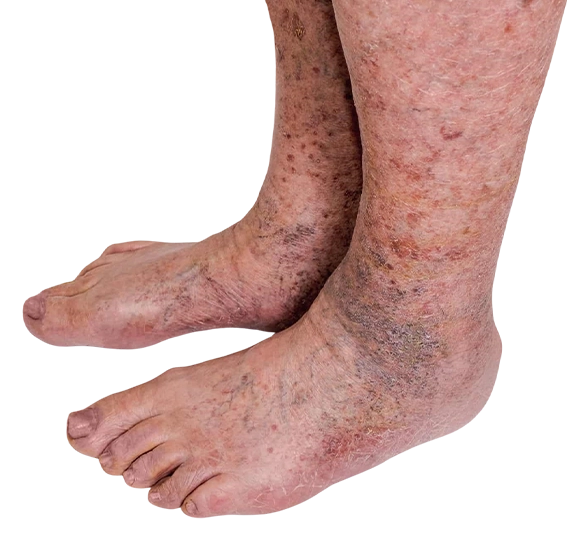
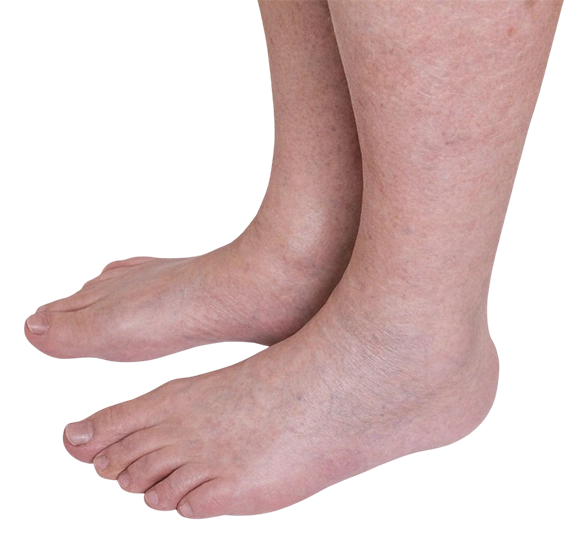
Advanced venous disease is a progressive condition that occurs when blood is no longer able to flow properly back to the heart, causing it to pool in the veins of the legs. This condition—often the result of long-term venous insufficiency—leads to increased pressure in the veins, resulting in visible skin changes, swelling, and tissue damage.
As the condition progresses, the veins and surrounding tissues can become severely affected, leading to complications beyond typical varicose veins.
Common symptoms include:
These symptoms can significantly impact your quality of life and often worsen over time without proper treatment. At Southern Vein Clinic, we focus on treating both the visible symptoms and the underlying cause of advanced venous disease.
If left untreated, advanced venous disease can lead to serious complications such as chronic wounds, infections, and an increased risk of blood clots. Early intervention is critical to preventing further damage and restoring healthy circulation.
Advanced venous disease develops when the veins in the legs can no longer effectively return blood to the heart. Healthy veins rely on one-way valves to keep blood flowing upward against gravity. When these valves become damaged or fail over time, blood begins to flow backward and pool in the veins—a condition known as chronic venous insufficiency.
As pressure builds within the veins, it leads to worsening circulation, inflammation, and damage to the surrounding tissues. Over time, this can progress beyond simple varicose veins and result in more severe symptoms and complications.
As the condition advances, patients may experience:
Advanced venous disease is often the result of long-term strain on the veins and can affect both men and women. Several risk factors can increase your likelihood of developing this condition, including:
The more risk factors you have, the greater the likelihood of developing advanced venous disease or experiencing worsening symptoms over time.